
Advanced Cancer Diagnostic Services in the USA | Pillars DX
Introduction
Cancer diagnosis has evolved significantly over the past decade, shifting from traditional methods to highly advanced, technology-driven solutions. Today, advanced cancer diagnostic services in the USA are enabling healthcare providers to detect cancer earlier, analyze it more accurately, and create personalized treatment strategies for patients.
Accurate detection is the foundation of effective cancer treatment. Without precise diagnosis, treatment plans may be less effective or even harmful. This is why modern diagnostics are focused not just on identifying cancer, but on understanding its unique characteristics at a molecular level.
Pillars DX is playing a vital role in this transformation by offering cutting-edge diagnostic solutions designed to improve accuracy, speed, and patient outcomes. This guide explores everything you need to know about advanced cancer diagnostic services and why they are essential in modern healthcare.
What Are Advanced Cancer Diagnostic Services?
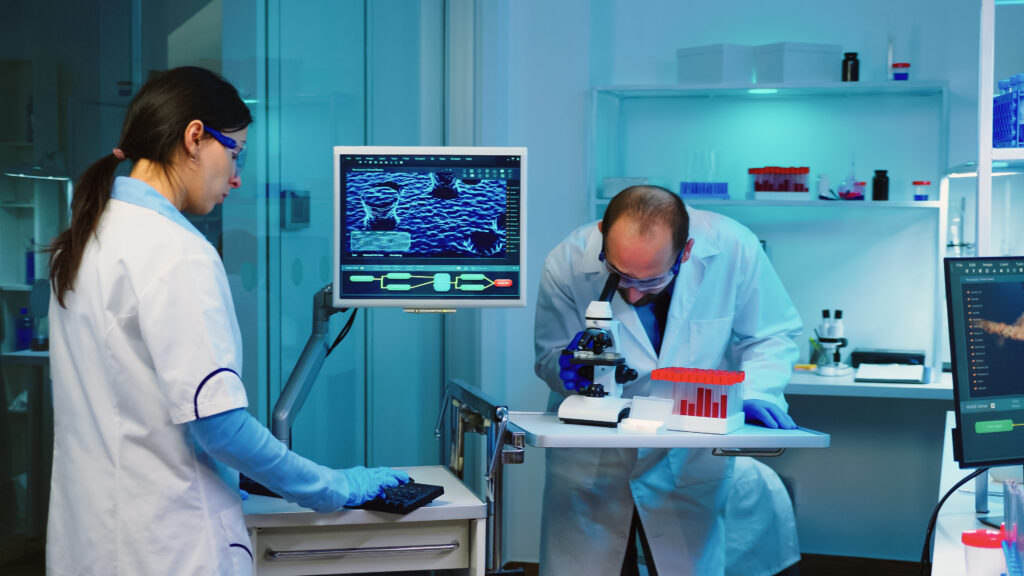
Advanced cancer diagnostic services refer to modern testing methods that go beyond basic detection. These services use sophisticated technologies to analyze cancer at genetic, molecular, and cellular levels.
Unlike traditional diagnostics, which primarily focus on identifying tumors, advanced diagnostics provide deeper insights such as:
- Genetic mutations driving cancer growth
- Tumor behavior and progression patterns
- Response to specific treatments
These insights allow doctors to develop personalized treatment plans, making advanced cancer diagnostic services in the USA a critical component of precision medicine.
Why Accurate Cancer Detection Matters
Accuracy in cancer diagnosis is essential for successful treatment. Even a small error in diagnosis can lead to incorrect treatment, delayed care, or unnecessary procedures.
Key Reasons Why Accuracy is Critical
-
Correct Treatment Planning Different types of cancer require different treatments. Accurate diagnosis ensures the right approach is taken.
-
Avoiding Misdiagnosis Advanced diagnostics reduce the risk of false positives or false negatives.
-
Better Patient Outcomes When cancer is accurately identified, treatment can begin sooner and be more effective.
-
Cost Efficiency Accurate diagnosis prevents unnecessary tests and treatments, reducing overall healthcare costs.
With advanced cancer diagnostic services in the USA, patients benefit from reliable and precise results that guide better medical decisions.
Types of Advanced Cancer Diagnostic Technologies
1. Molecular Diagnostics
Molecular diagnostics analyze DNA, RNA, and proteins to detect cancer at a genetic level. This method helps identify specific mutations responsible for cancer development.
Benefits:
- Early detection
- High accuracy
- Personalized insights
2. Genomic Testing
Genomic testing examines the entire genetic makeup of cancer cells. It helps determine how cancer behaves and how it may respond to treatment.
Applications:
- Identifying targeted therapies
- Predicting disease progression
- Monitoring treatment effectiveness
3. Liquid Biopsy
Liquid biopsy is a revolutionary, non-invasive diagnostic method that detects cancer through a simple blood test.
Advantages:
- No need for surgery
- Faster results
- Ability to monitor cancer over time
This technology is rapidly becoming a key part of advanced cancer diagnostics in the USA.
4. Digital Pathology
Digital pathology uses high-resolution imaging and software to analyze tissue samples. It improves accuracy and allows remote analysis by experts.
Key Features:
- Faster diagnosis
- Improved collaboration
- Reduced human error
5. Next-Generation Sequencing (NGS)
NGS is one of the most powerful tools in cancer diagnostics. It provides detailed genetic information about tumors, enabling highly targeted treatments.
Benefits:
- Comprehensive analysis
- Precision medicine support
- Improved treatment outcomes
Role of Technology in Modern Cancer Diagnostics
Technology is the driving force behind the evolution of cancer diagnostics. It has transformed how tests are conducted, analyzed, and interpreted.
Artificial Intelligence (AI)
AI systems can process large amounts of data quickly and identify patterns that may not be visible to human analysts.
Big Data and Analytics
Healthcare systems use data analytics to improve diagnostic accuracy and predict outcomes.
Automation in Laboratories
Automated systems reduce human error and increase efficiency, ensuring faster turnaround times.
At Pillars DX, these technologies are integrated into diagnostic workflows to provide high-quality, reliable results.
Benefits of Advanced Cancer Diagnostic Services
- Early Detection
Advanced diagnostics can identify cancer before symptoms appear, improving survival rates.
- Personalized Treatment
Detailed insights allow doctors to tailor treatments to individual patients.
- Non-Invasive Testing
Technologies like liquid biopsy reduce the need for surgical procedures.
- Faster Results
Modern diagnostic tools provide quicker results, enabling timely treatment.
- Continuous Monitoring
Patients can be monitored throughout their treatment journey for better outcomes.
These advantages make advanced cancer diagnostic services in the USA essential for modern healthcare systems.
Who Should Consider Advanced Diagnostic Services?
Advanced diagnostic testing is beneficial for:
- Individuals with suspected cancer
- Patients with a family history of cancer
- High-risk individuals (smokers, exposure to toxins, etc.)
- Patients seeking second opinions
- Those requiring detailed analysis for treatment planning
Early and accurate diagnosis can significantly improve the chances of successful treatment.
Challenges in Cancer Diagnostics
Despite significant advancements, there are still challenges in cancer diagnostics:
- High Costs Advanced technologies can be expensive, limiting accessibility for some patients.
- Need for Expertise Specialized knowledge is required to interpret complex diagnostic data.
- Accessibility Issues Not all healthcare facilities have access to advanced diagnostic tools.
However, companies like Pillars DX are working to overcome these challenges by making advanced diagnostics more accessible and efficient.
How Pillars DX is Transforming Cancer Diagnostics
Pillars DX is committed to delivering innovative diagnostic solutions that meet the needs of modern healthcare.
Key Strengths:
- Use of advanced diagnostic technologies
- Focus on accuracy and precision
- Fast and reliable reporting
- Patient-centric approach
By combining expertise with cutting-edge tools, Pillars DX ensures that patients receive the best possible diagnostic support.
Future Trends in Advanced Cancer Diagnostics
The future of advanced cancer diagnostic services in the USA is promising, with several emerging trends shaping the industry:
- AI-Driven Diagnostics AI will continue to improve accuracy and efficiency in diagnostic processes.
- Precision Medicine Treatments will become more personalized based on genetic information.
- Remote Diagnostics Telemedicine and remote testing will increase accessibility.
- Real-Time Monitoring Continuous monitoring will allow doctors to track cancer progression and adjust treatments accordingly. These innovations will further enhance early detection and improve patient outcomes.
Conclusion
Advanced cancer diagnostic services are revolutionizing the way cancer is detected and treated. By leveraging cutting-edge technologies and precise testing methods, healthcare providers can deliver accurate diagnoses and effective treatment plans.
Pillars DX stands at the forefront of this transformation, offering reliable and innovative diagnostic solutions that support early detection and improved healthcare outcomes. As technology continues to evolve, the importance of advanced diagnostics will only grow, making them an essential part of modern cancer care.