
UTI Panel Test: Why PCR Is Better Than Urine Culture?
Introduction
If you have ever dealt with a urinary tract infection — or treated patients who have — you know how disruptive and stubborn they can be. UTIs are among the most common bacterial infections diagnosed in the United States, affecting millions of people every year across all age groups.
Despite how common they are, UTIs are not always straightforward to diagnose or treat correctly. The traditional urine culture method, while widely used for decades, has real limitations. Newer molecular testing — specifically PCR-based UTI panel testing — is changing how healthcare providers approach these infections, leading to faster results and more targeted treatment.
This post explains how both methods work, where the standard culture falls short, and why PCR-based UTI panel testing is increasingly the smarter choice for clinical settings.
What Is a UTI Panel Test?
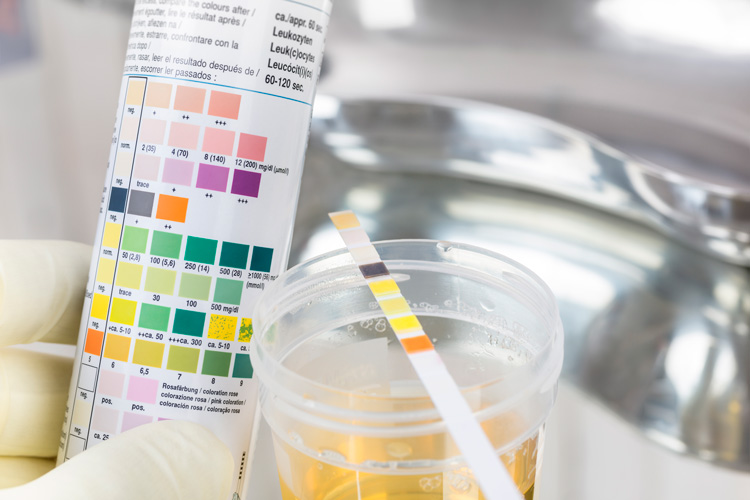
A UTI panel test is a comprehensive diagnostic tool that identifies the organisms responsible for a urinary tract infection and provides data on antibiotic resistance — all in a single test. Unlike a standard urinalysis that only flags the presence of white blood cells or nitrites, a UTI panel goes deeper.
At PillarsDx, our UTI and Infectious Disease panels use molecular diagnostic technology to detect the specific bacteria, yeast, or other pathogens causing the infection, along with resistance markers that tell you which antibiotics will and will not work.
How a Standard Urine Culture Works
For decades, the standard urine culture has been the go-to method for UTI diagnosis. Here is how it works: a urine sample is collected, placed in a growth medium, and incubated for 24 to 72 hours. If bacteria grow, technicians identify the organism and then test it against a panel of antibiotics to determine sensitivity — a process called culture and sensitivity (C&S).
This method has served medicine well. But it has significant drawbacks:
- Results take 2 to 5 days, during which patients are often started on a broad-spectrum antibiotic empirically
- Some bacteria do not grow well in standard culture media (fastidious organisms)
- Polymicrobial infections — those involving more than one organism — are frequently missed or underreported
- Contamination during sample collection can produce false positives
- Cultures cannot detect organisms that require anaerobic conditions or very specific nutrients
For a routine, uncomplicated UTI in a healthy young adult, this may not matter much. But in elderly patients, immunocompromised individuals, those with recurrent UTIs, or patients in pain management or behavioral health settings, an inaccurate or slow result can mean days of wrong antibiotics and a worsening infection.
What Is PCR Testing and How Does It Work for UTIs?
PCR stands for polymerase chain reaction. It is a molecular technique that amplifies tiny amounts of genetic material (DNA or RNA) from a sample, making even very small quantities of a pathogen detectable.
For UTI diagnosis, a PCR-based UTI panel works like this: a urine sample is collected and sent to the lab. Instead of waiting for organisms to grow, the lab extracts DNA from the sample and runs it through a PCR process that identifies specific genetic sequences belonging to known UTI pathogens — all simultaneously.
The result? A comprehensive report that identifies every pathogen present in the sample, along with the resistance genes those organisms carry — typically within 24 hours or less.
PCR vs. Culture: A Side-by-Side Comparison
Here is where the differences become clear for clinicians:
- Speed: Culture takes 48–72 hours minimum. PCR results are typically available within 24 hours — sometimes the same day.
- Accuracy: PCR detects polymicrobial infections reliably. Standard culture often misses the second or third organism.
- Fastidious organisms: Some bacteria simply do not thrive in culture conditions. PCR identifies them by genetic signature, not by growth.
- Antibiotic resistance: PCR identifies resistance genes directly. Culture-based resistance testing requires a secondary process and more time.
- Contamination: Because PCR targets specific genetic sequences, it is less susceptible to contamination false positives than culture growth.
For healthcare providers working with PillarsDx, this means being able to prescribe a targeted antibiotic sooner — rather than starting with a broad-spectrum drug and adjusting later.
Who Benefits Most from PCR-Based UTI Testing?
While any patient can benefit from faster, more accurate testing, certain populations see the greatest clinical impact:
- Elderly patients: UTIs in older adults often present atypically and can progress to sepsis quickly. A faster, more accurate diagnosis can be life-saving.
- Recurrent UTI patients: When someone keeps getting UTIs despite treatment, PCR can reveal whether the same organism keeps returning (treatment failure) or whether a new pathogen is responsible.
- Immunocompromised individuals: Patients on chemotherapy, immunosuppressants, or those with HIV may harbor unusual organisms that standard culture misses entirely.
- Pain management clinics: UTI symptoms can overlap with other conditions. PCR gives clinicians confidence in their diagnosis before prescribing.
- Pediatric patients: Our pediatric testing services also extend to UTI panel testing for younger patients when clinically indicated.
How Antibiotic Resistance Data Improves Treatment?
One of the most clinically valuable parts of a PCR UTI panel is the resistance gene data. Over-prescription of antibiotics has contributed significantly to the rise of antibiotic-resistant bacteria — a genuine public health crisis.
When a PCR panel shows that the pathogen carries a specific resistance gene, the prescribing clinician immediately knows which antibiotic classes to avoid. This is more targeted than culture sensitivity, which only tells you whether a drug inhibited growth in a lab setting — not whether the organism carries transferable resistance genes.
At PillarsDx, our lab is CAP-accredited and CLIA-certified, which means you can trust the accuracy and defensibility of every result we deliver.
How to Partner with PillarsDx for UTI Panel Testing?
PillarsDx offers concierge lab services with same-day courier pickup within 50 miles of Sandy Springs, Georgia, and nationwide capabilities. Results are delivered within 24–48 hours with dedicated account management and no call center delays.
If you are a healthcare provider looking to integrate faster, more accurate UTI diagnostics into your practice, reach out through our contact page and our team will walk you through onboarding.
The shift from culture to PCR for UTI diagnosis is not just a technological upgrade — it is a clinical improvement that directly benefits your patients and strengthens your practice’s standard of care.